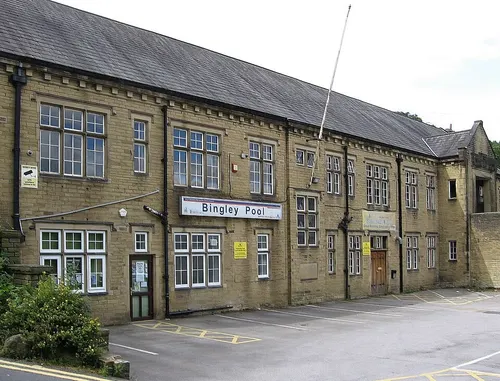

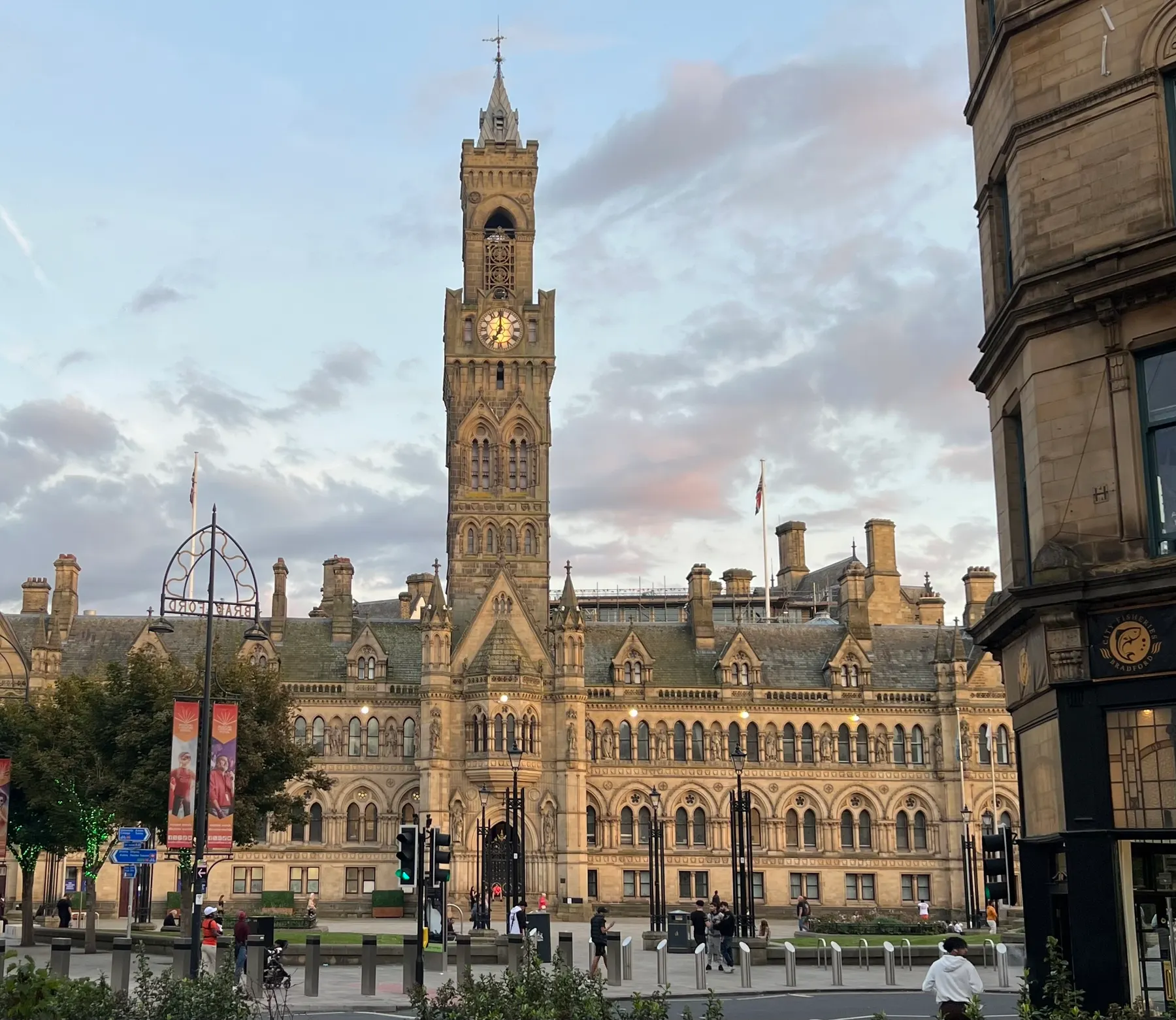
In all the debates over the case for reopening Sugden End, no one ever doubted that it was a net good for the community. The central argument has always been about the source of funding and the legitimacy of the manner in which the minority Reform-led Bradford council came to its conclusion. But first, I need to address the legal niceties.
Last time around, I was concerned about a constitutional issue regarding the council Executive’s ability to move funds from one department to another, apparently at will. As expected, that’s not the case; the chief finance officer satisfied councillors on that point. The problem then shifted from ‘can they?’ to ‘what did they consider?’ Here the arguments were convoluted.
“We looked at four things”
Deputy Chair of the Regeneration Overview and Scrutiny committee Cllr Anna Watson asked officers directly what efficiencies had been explored within Environment’s own roughly £32m annual waste budget before reaching into another department’s grant pot. Nobody answered that question directly. What came back instead was a list of four items, all drawn from March’s own growth-and-pressures schedule, not the wider council budget. In turn, these were bulky waste money already spent, a parks scheme too advanced to unwind, a £300,000 youth service line too small on its own, and Events. Events won because, in the officer’s own words, its business case “was in draft but hadn’t been brought forward.”
That’s not “we assessed the alternatives.” That’s “we checked which loose ends we had lying around.” The wrinkle here, as explained late in the debate by Cllr Imran Khan, is that the Events line item reflects spending typically incurred during the winter months.
In fairness, the Growth department did have a genuine overspend to plug — but that only accounts for £177,000 of the £400,000. The remaining £223,000 wasn't deficit management. It was a new spending decision, and it went through the same non-comparison as everything else.
No comparison was ever made
Pressed twice on whether any cost-benefit analysis weighed reopening the tip against keeping the cultural investment, officers gave the same answer both times: no, because there was no finished business case to measure it against. The actual test applied, by the finance chief’s own account, was matching “the cost of the proposal” against “the cost of the available funding.” That is arithmetic run against a shortlist, not a judgement between options.
The committee that nearly sent it back
Committee Chair Cllr Susan Fricker called the Executive decision in on the grounds of no impact assessment and no alternatives considered. Under her questioning, executive member Cllr Ian Walker admitted he’d never asked to see the business case before backing its cancellation. Deputy Leader Cllr Judson’s defence was that nothing had formally been allocated to anyone in the Events line, so nothing was lost. The motion to refer the decision back failed 5-4. A second motion, to release it for immediate implementation, carried, and Sugden End likely reopens as planned.
My take
Nobody on that committee got officers to answer Watson’s question about the department’s own budget. That’s the tell. A £32m-a-year service found £223,000 easier to take from a different department’s culture grant than from its own, and the justification wasn’t “we compared this against internal savings and the grant lost.” It was “the grant was the only one of four items without a signature on it yet.”
In business management terms, the Events budget is really a marketing fund designed to bring in business and lift local communities. From past experience, when funds become tight, marketing is almost always the first one to get hammered. And so it was here. It is unfortunate that Khan’s explanation about the spend timing was not prefaced earlier in the debate, because that, in itself, explains why there was no immediate project list for due diligence checks. It also answers Judson’s claim to the questioning on this point as ‘irrelevant.’
What concerns me is the cynical way in which Reform councillors used a legally defensible argument about ‘nothing to see, nothing to lose,’ while seemingly happy to treat the contents of an Executive member’s email inbox as slam-dunk ‘evidence’ of a crying need to reopen the tip.
In my world, you can’t pitch hypotheticals against vibes and expect to get away with it for long. More worrisome, this vote raises a more fundamental point that is already exercising the minds of councillors thinking about 2027-28 budgets.
If ruling councillors really can switch funds around on the basis of the flimsiest of hard evidence and a deliberate avoidance of understanding the nature of a spend category, then what does that say about the safety of any budget line item going forward?
After all, the latest two scrutiny committee outcomes have essentially handed the Conservatives what they were denied in the March 2026 budget vote.
Finally, if, as Cllr Walker claims, perception is reality, then I’ve got an inbox full of people pissed off at this decision. Or, as one person put it: “I’ve never planned a family day out at the tip, but I certainly planned an afternoon to view the Turner Prize candidates with the family.” But then I don’t suppose people who value our arts heritage are the ‘right’ people to influence this Reform-led council.